Call US :- +265 991 419 250     Email :- team@kapiece.com

Our store

Order now.

latest blog

Know what is new from us.

How to Keep Poultry Records Effectively

How to keep poultry records effectively means you write the same facts, on the day they happen, and in the same order. A skipped day or a changed column stops you comparing this week with last week. Use the fields, the daily time, the split by cage or shed, and the weekly check below. If you first want the reasons records matter, read The Importance of Record Keeping in Poultry Farming.


Set a practical poultry record routine

Pick one visit you already make. The evening feed is a good time. Write the record before you leave the birds. If you wait until the next morning, you can forget a death, eggs taken home, or a bag you opened.


Keep the entry short. It should take less time than washing the drinkers. If it takes longer, remove a field. A short entry you finish is more useful than a long form you skip.


A practical poultry record routine fails if you write only on bad days. Write on ordinary days too. Those days show the usual egg count, usual feed use, and usual deaths. You can judge a poor day only when those usual numbers sit beside it.


Write the entry before you leave

Do not keep the facts in your head until later. You will forget single items. When no bird died, write 0. A blank line can mean you forgot, not that the count was zero.


If you miss a day, leave that date blank and write “missed” in the note. Do not fill in an egg count from memory. A guessed number will make the week higher or lower than the real count. Continue the next day as normal.


Use the same fields in the same order

Effective poultry record keeping uses one field list for the whole month. Do not add a new column because one day was unusual. Put an unusual fact in a short note at the end of that day’s line.


Use this order. It is a working checklist for a small farm. It is not a laboratory form. Write money with the currency, and use the amount you actually paid or received.

FieldWhen to write itWhat you compare
DateEvery entryWhich day the numbers belong to
Eggs collectedEvery dayThis week against last week
Eggs kept at homeEvery dayProduction that was not sold
Feed usedEach day, or each bag you openFeed against eggs and birds sold
Deaths and cullsEvery day, including 0Whether losses repeat
Vaccination or treatment, when givenOn the day you give itWhether eggs or deaths changed after it
Birds still in the penOnce a weekBirds missing that you did not see die
Cash in and cash outOnce a weekWhether the flock covered its costs

Add a new field only at the start of a week

If you need a new field, start it on the next Monday. Keep every old field. Then the earlier days still line up with the later days.


Effective poultry record keeping also includes one weekly review before any change. The daily line gives you the numbers. The weekly review tells you whether to act.


Split accurate poultry farm records by cage or shed

One total for the whole farm will not show a weak cage. A strong cage can raise the total. Give each cage, shed, or flock its own page, or its own line with the cage name on it.


Use the same field order on every page. You can then add eggs or deaths across cages without moving columns. If you have only one pen, still write the pen name. You will not have to rebuild the page when you add a second pen.

Keep the same group name

Accurate poultry farm records use the same cage name all month. Write “Shed 1” or “Cage A” and do not rename it. A new name will not match the earlier lines for that cage.


Record eggs, feed, and birds so the numbers agree

Count eggs at the same hour each day. Write three numbers: eggs collected, eggs sold, and eggs kept at home. You can note cracked eggs at the end of the line. Eggs kept at home are still production. If you leave them out, the daily total is lower than the number the birds produced.


Write feed when you open a bag. At the end of the week, write what is left. Feed is usually the largest cash cost. Compare feed used with eggs collected and with birds sold. Check this for several weeks. If feed cost stays above the value of eggs and birds, change the ration or the flock size. Use your own amounts. Do not copy a price from another farm.


When birds leave, write the date, the number, and the reason: sold, eaten, given away, died, or culled. Count the birds still in the pen once a week. That count shows birds you did not see die.


Quails often start laying at about six to eight weeks. Your dated egg line shows whether this flock started then. Do not use the age rule by itself.

Read the week before you change feed, birds, or treatment

Once a week, before you change anything, read the last seven days. Compare eggs, feed used, deaths, and cash in against cash out.


Change one thing only. Write the date and the change, such as new feed or added birds. At the next weekly check, see whether eggs, deaths, or feed use moved. If they did not move, undo that change or try a different one.


Do not change feed and treatment in the same week, unless the birds need urgent treatment. Give that treatment the same day, and leave the feed as it is. You will not know which change caused the result if you change both. Also do not add birds in the same week you change feed. Keep those tests on separate weeks.

Keep one poultry farm record system

Use one place for each flock. Two half-finished records are harder to trust than one complete record. A poultry farm record system can be a notebook or Kapiece Hub, but not both for the same days.


A notebook works on a small farm. Use one book for one flock. Keep the book at the pen. Follow the field order in the table above.


You can use Kapiece Hub instead of the notebook. Hub stores a daily log, egg production, feed, treatments, bird batches, and breeding records. You can enter them for the whole farm or for one cage or shed. The mobile and desktop apps save entries without a signal and sync when the phone or computer is online again. To see what Hub includes, read the Kapiece Hub page.


Start keeping poultry records properly tonight

Keeping poultry records properly starts with seven complete days, not with extra columns. Write five fields tonight: date, eggs collected, eggs kept at home, feed used, and deaths. If no bird died, write 0. Repeat that line for seven days.


After seven complete days, add the weekly cash line and the weekly bird count. Then keep that order. That is how to keep poultry records effectively on a small farm in Malawi. Use the same fields, on the same day, in one place. Run a weekly check before you change the flock.
The Importance of Record Keeping in Poultry Farming

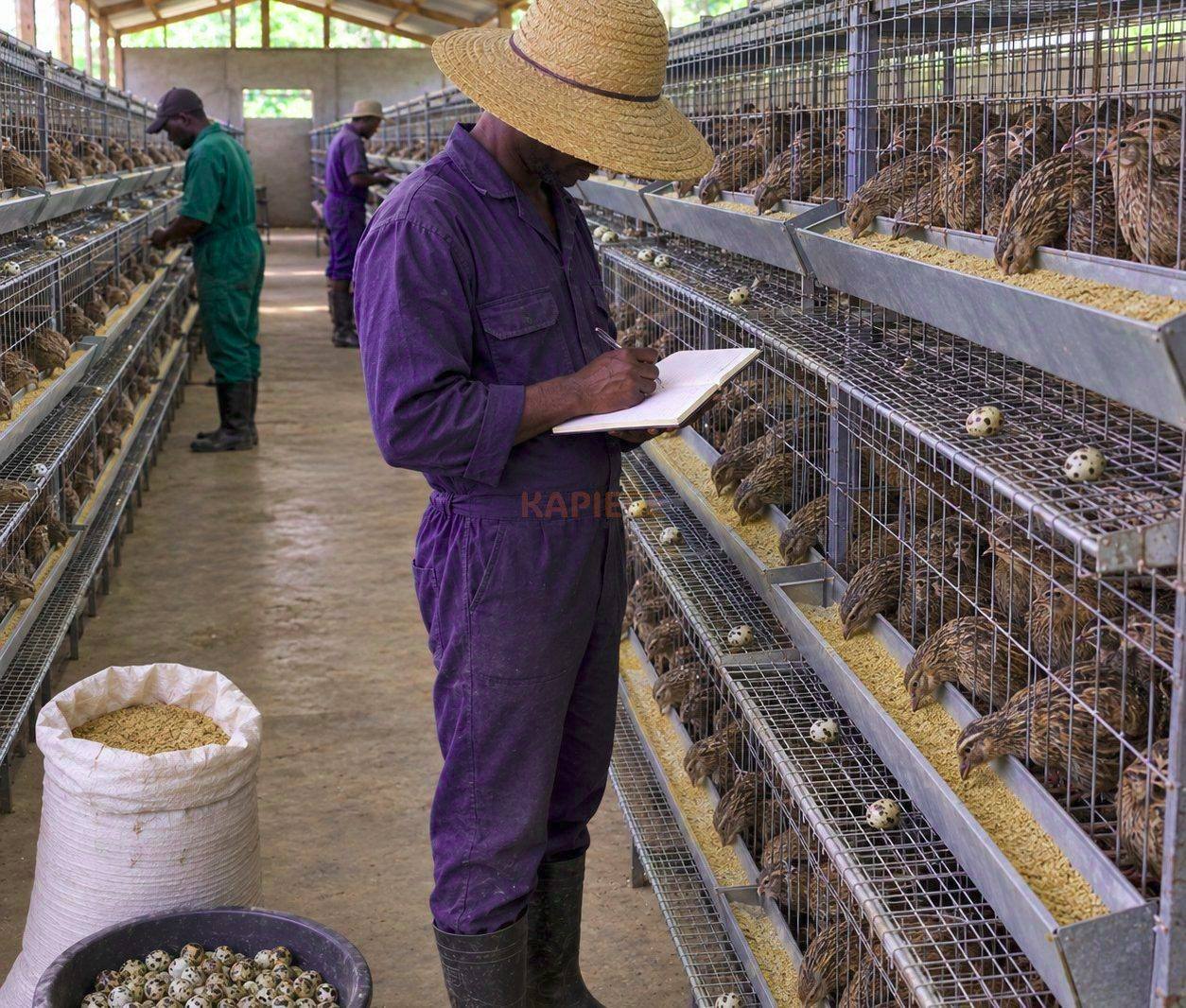
You can remember yesterday’s egg count. You will not remember six weeks of feed, deaths, and cash sales. The importance of record keeping in poultry farming is that those facts stay written down. Records are part of managing the farm. They are not extra paperwork. Many small-flock keepers see active birds and still cannot tell whether the eggs and meat covered the feed cost. A short daily note fixes that. It shows what the flock ate, what it produced, and what it cost you.


Why poultry farm records show whether you made money

Feed in the feeder does not show that the flock made money. The eggs and meat may not bring in enough to cover the cost of that feed. You see the result only when you write down the feed used and the eggs and meat you got.


Each day, write three numbers. The first is the amount of feed the birds ate. The second is the number of eggs you collected. The third is the number of birds that died or that you removed to sell, eat, or give away. These three numbers are not yet the profit. Each week, write the cash spent and the cash received. Also count eggs and birds used at home. Home use is still production. Poultry farm records keep a poor week written down, so you can still correct it.


You forget the small losses

You remember the bird you saw die, and you forget the other deaths and the falling egg count. Farmers then change the feed, blame the heat, or add birds. The daily counts would have shown what changed.


Profit is cash received minus cash spent

Active birds are not the same as profit. Profit is the cash from eggs and meat you sold, minus feed, young birds, medicine, and other cash you spent. Eggs and birds eaten at home are production, not cash. Without those notes, a household flock can look healthy and still cost more than it brings in.


Also split the notes by pen if you keep more than one group. If you write one total for every pen, a pen that is losing money can look fine, because a stronger pen hides that loss. A separate line for each pen shows which group needs your attention.


What you miss when you do not write the records

A day you skip does not look like a problem on that day. The birds still move and eat. The cost shows later, when a poor month has no written reason.

  • You miss feed waste when you cannot compare the bags you opened with the eggs you collected.
  • A drop in eggs looks like one poor morning, when the drop has already lasted for weeks.
  • You forget deaths, so you never see a pattern after cold nights or a new feed.
  • Sales get mixed with eggs and birds eaten at home, so you cannot see how much cash came in.
  • Advice becomes guessing, because nobody can see what the flock actually did.

You do not need software to prevent this. A pencil and an exercise book are enough. You can also enter the notes in Kapiece Hub. The problem starts when you rely on memory for a whole month of birds, feed, and money.


Egg, meat, and cost records that change a decision

Write the records that help you decide what to do next. Any money you write should be your own MWK figure, not a fixed price.

RecordWhat it showsDecision it helps you make
Eggs collected each dayWhether egg numbers are rising, steady, or fallingCheck feed, bird age, or a recent change
Eggs cracked, eaten, or kept at homeEggs that never became cashHow many eggs you can sell
Birds sold, eaten, or given awayBirds removed from the flockWhether sales covered the raising cost
Feed bought and feed usedThe largest regular costWhether the feed cost is covered
Deaths and birds removed, with a reasonLosses with no money receivedWhether a problem is repeating
Vaccination date and vaccine nameWhat was given, and whenWhen the next dose is due
Money received and money spentCash received and cash spentKeep, reduce, or grow the flock


Egg counts show whether laying is rising or falling

Count eggs at the same hour each day. Write sold eggs and home eggs on separate lines. Home eggs are not cash. After two weeks, note a rise, a steady number, or a drop. Quails often start laying at six to eight weeks. Record the first egg date.


Meat records separate sales from home use

When birds leave, write the date, the number, and whether you sold, ate, or gave them away. Write the amount if you sold them.


Feed records show your largest regular cost

Each week, note each bag opened and the feed left. If egg and meat money stays below the feed cost for several weeks, the flock is losing money. Keeping poultry records shows that loss before you buy the next bag.


Death dates show a pattern while you can still act

One dead bird can be chance. Several deaths close together point to a problem. You can see that problem only if each loss has a date.


Write the day, how many birds died or were removed, and a simple cause if you know it. Add what you noticed: weak birds, dirty vents, or birds that are less active than usual. These notes help you review what happened. They are not a diagnosis.


Then compare those dates with feed changes, bad weather, and any new birds you added. A wet corner, a cold night, or a different bag of feed often happens on the same days as the deaths. Without those dates, the events look unrelated, so you fix the wrong thing.


Also note any treatment, including the day you stopped. Write the date when eggs and meat can be eaten or sold again, and do not eat or sell them before that date. Next time you will not repeat a treatment that failed. You also will not dose the flock twice because you forgot the first dose.


Count the birds you still have, not only the ones you found dead. A weekly count catches birds you never saw die. Predators, escape, and theft can look like disease if you only record the dead birds you happened to see.


A month of written records makes advice specific

General advice is hard to apply when you cannot describe your flock. Poultry record books give you a clear month to discuss: eggs, feed, deaths, and sales. The discussion can then focus on the week something changed.


This is why poultry records matter before you ask anyone for help. You can show the week the egg count fell. You can say what else changed that week. You then try one change and check the records for the following days. If the numbers do not improve, try a different change.

Kapiece’s poultry training is useful when the records show a problem you cannot name yet. The class does not replace the records. After the class, the records show whether the advice helped this flock. Open the poultry record books from last month before you buy another bag or add more birds.


A short daily note works better than a system you skip

Farm record keeping for poultry fails when the form is too long to finish after evening chores. A short page you finish is more useful than a long form you skip. Write the note on ordinary days too. Those days give you a normal week to compare with a bad week.

  1. Use one book for one flock.
  2. Each day, write the feed used, the eggs collected, and any birds that died or were removed.
  3. Each week, add the cash you spent and the cash you received.
  4. After four weeks, read the month before you change feed or add birds.


Pick a time you already visit the birds, such as the evening feed. The note should take less time than washing the drinker. If it takes longer, the form has too many columns, so remove one. Keeping poultry records on ordinary days makes a bad week easy to understand.


Write down eggs and birds eaten at home as well. Those eggs and birds are still production. If you do not write them down, the records will show less production than the flock actually gave.


Use the next month of notes to judge the flock

The importance of record keeping in poultry farming is that you can explain your decision with written facts. One month of notes shows the feed used, the eggs collected, the dates birds died, and the money from sales. You do not have to rely on memory.


Tonight, write the date, the feed the birds ate, the eggs you collected, and any birds that died or were removed. Each week, add the cash you received and the cash you spent. After one month, use those notes to decide whether to keep the flock as it is, change one thing, or add birds.

How to Market Quail Eggs and Meat in Malawi

Quail farming is gaining momentum in Malawi, and many small-scale farmers are eager to turn this opportunity into a profitable business. One of the biggest challenges, however, is knowing how to market quail eggs and meat in Malawi effectively. Farmers need to understand the demand, identify potential buyers, and use smart marketing strategies to grow their customer base. This article explores market demand, consumer behavior, and proven methods of selling quail products successfully.


Market Demand for Quail Eggs and Meat in Malawi

Growing Consumer Interest

The demand for quail eggs in Malawi is increasing as more people learn about their health benefits. Quail eggs are small, nutrient-rich, and often considered a delicacy. Similarly, the demand for quail meat in Malawi is rising among health-conscious consumers and restaurants seeking unique protein options.

Profit Potential

The quail farming business in Malawi is a niche but fast-growing sector. Farmers who position themselves early can enjoy strong returns. Many people are willing to pay premium prices because quail eggs and meat are rare compared to chicken products.

Pricing Trends

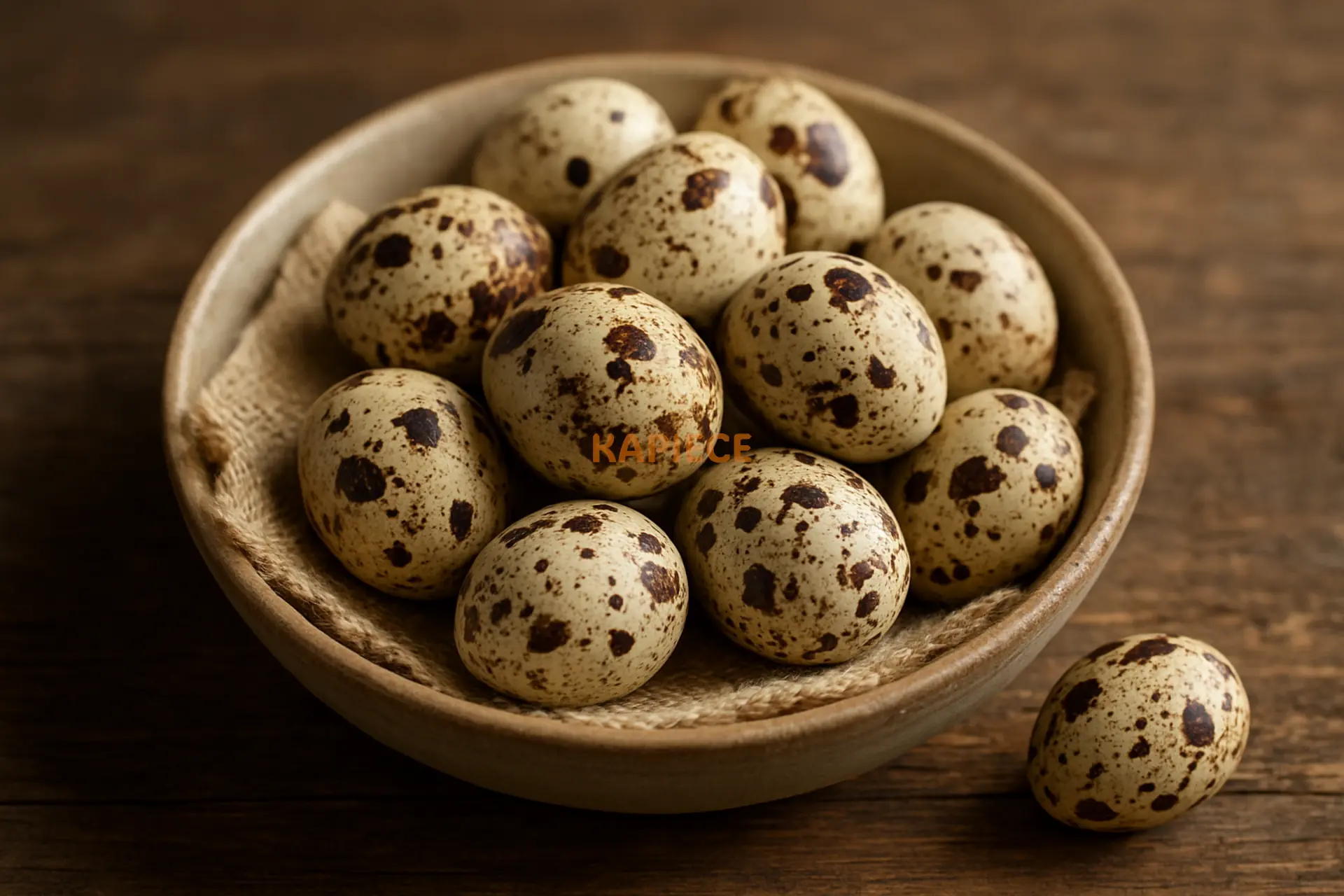
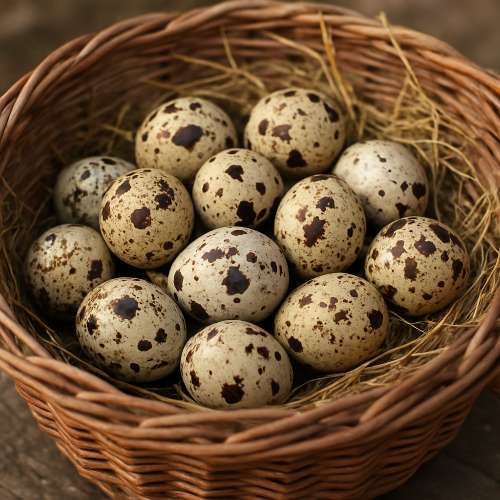
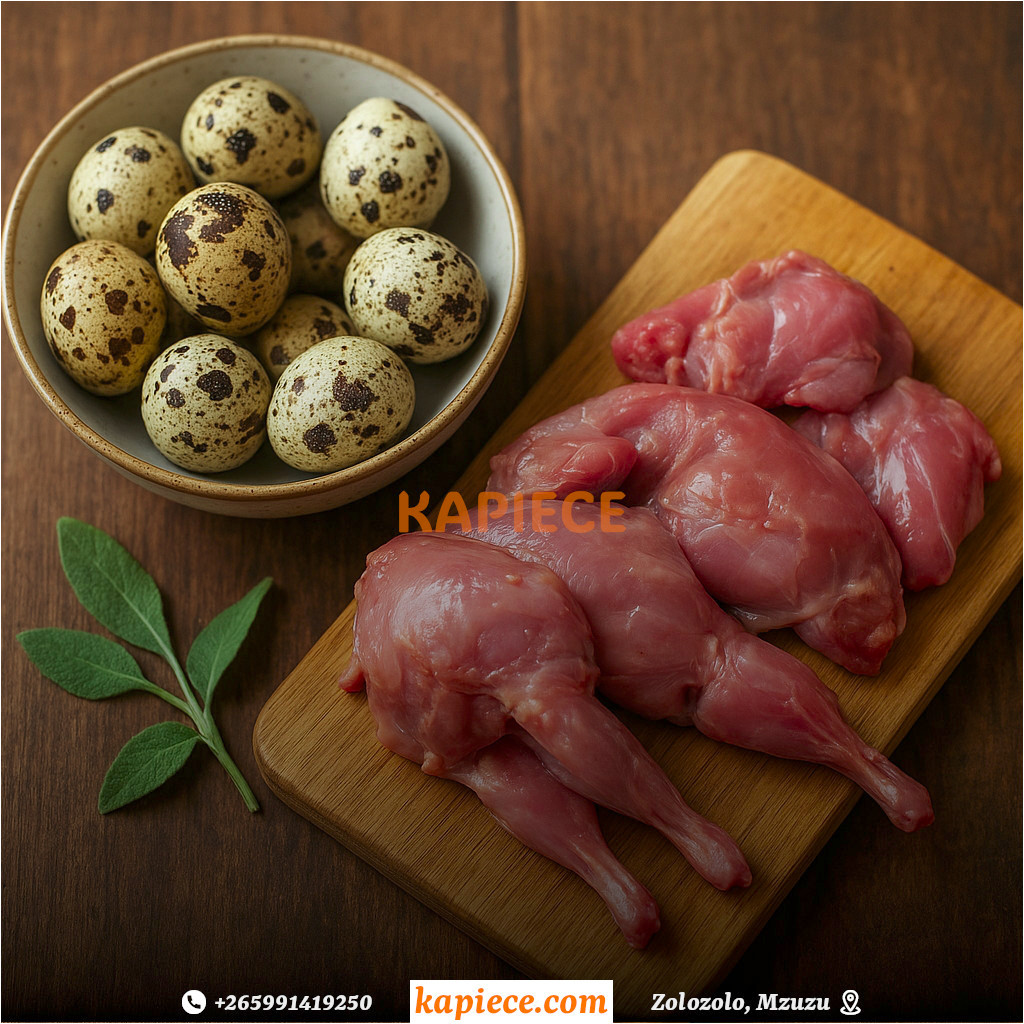
As of September 2025, the average price of quail eggs in Malawi ranges between MWK 200 and 300 per egg. Although chicken eggs are larger and often sold at higher prices, quail eggs attract a niche market of health-conscious consumers who value their nutritional benefits and unique taste. For a deeper comparison between the two, you can read our full guide on Quail Farming vs Chicken Farming.

Meanwhile, the price of quail meat in Malawi currently averages between MWK 3,500 and 4,500 per bird. This is considered a premium compared to chicken meat, largely because quail meat is less common and in growing demand. Consumers in urban areas, restaurants, and health-focused households are especially driving this trend.


Quail Eggs: Nutrition and Marketing Position

Quail eggs are widely appreciated for their health benefits. They contain higher levels of protein, vitamins, and minerals compared to chicken eggs. This makes them appealing to:

  • Health-conscious consumers

  • Families seeking nutrient-rich food

  • Patients and individuals with dietary restrictions

When marketing quail eggs in Malawi, farmers should highlight these benefits in promotions. For example, emphasize that quail eggs help boost immunity, improve energy, and are perfect for people looking for healthy alternatives.

Farmers should also learn how to sell quail eggs effectively by targeting supermarkets, local markets, and even schools. Knowing where to sell quail eggs in Malawi—such as health shops and organic stores—can make a big difference.


Quail Meat: Nutrition and Sales Opportunities

Quail meat is tender, flavorful, and packed with nutrients. Its health benefits of quail meat include high protein, low cholesterol, and essential amino acids. These qualities make it attractive to restaurants and hotels aiming to stand out with unique dishes.

The selling of quail meat in Malawi can be highly profitable because supply is still limited. To succeed, farmers need to focus on:

  • Building relationships with quail meat buyers in Malawi

  • Identifying best places to sell quail meat in Malawi, such as supermarkets and butcheries

  • Understanding quail meat distribution channels like wholesalers and direct-to-consumer models

Knowing how to sell quail meat is critical—emphasize freshness, nutrition, and exclusivity to convince buyers.


Marketing Strategies for Quail Farmers

Direct Sales and Local Markets

Many small farmers start by selling quail eggs in Malawi directly to consumers through local markets in Malawi. This builds a loyal customer base and helps create brand awareness.

Supermarkets and Restaurants

Supermarkets in Malawi and restaurants and hotels are excellent outlets for bulk supply. Farmers can offer samples, negotiate contracts, and provide reliable delivery.

Social Media and Online Presence

Promoting quail products online is one of the best marketing strategies for quail farmers. Farmers should try:

  • Promoting quail eggs on social media like Facebook, WhatsApp, and Instagram

  • Running affordable ads to reach health-conscious consumers

  • Launching a professional website (Mwenewezi Chanika can help with web development services)

This not only increases visibility but also builds trust with potential buyers.

Packaging and Branding

Attractive packaging quail eggs for market improves sales. Proper labeling with farm name, nutritional facts, and freshness dates makes products stand out.

Wholesale vs Retail

Understanding wholesale vs retail quail sales is vital. Retail brings higher margins per product, while wholesale guarantees consistent volume. A mix of both ensures steady income.

Value Addition

Value addition for quail eggs and meat is another profitable avenue. Examples include:

  • Salted or pickled quail eggs

  • Ready-to-cook quail meat packs

  • Nutritional quail egg powder


Business Opportunities in Quail Farming

The quail farming business in Malawi is still at an early stage, meaning farmers can capture niche markets with less competition. Opportunities include:

  • Supplying to quail egg buyers in Malawi and hotels

  • Reaching out to quail meat buyers in Malawi for steady contracts

  • Expanding into training programs for new farmers

The quail farming profit in Malawi depends on scale, but even small farmers can earn steady income by focusing on quality, consistency, and branding.

Kapiece also supports farmers by providing poultry training, guidance on raising quail, and expert advice on building a customer base for quail farming. This training helps new entrants understand how to find buyers for quail eggs and how to find buyers for quail meat more effectively.


Conclusion

Learning how to market quail eggs and meat in Malawi is essential for any farmer who wants to turn quail farming into a profitable venture. By understanding the demand for quail eggs in Malawi and the demand for quail meat in Malawi, focusing on nutrition-based promotion, and adopting smart marketing strategies, farmers can successfully build sustainable businesses.

Whether through direct farm-to-consumer sales, supermarkets in Malawi, or online promotion, there are many quail business opportunities in Malawi waiting to be tapped. Kapiece remains committed to producing premium quail eggs and meat while training farmers and helping them succeed in this niche market.


